
Working Hours
Mon - Sat 6:00 - 20:00
Email Support
transport@zootcontainerservices.com.au
Customer Support
0405541500
How to Transport a Shipping Container: A Practical Guide
Navin Sahani
September 5, 2026
Uncategorized
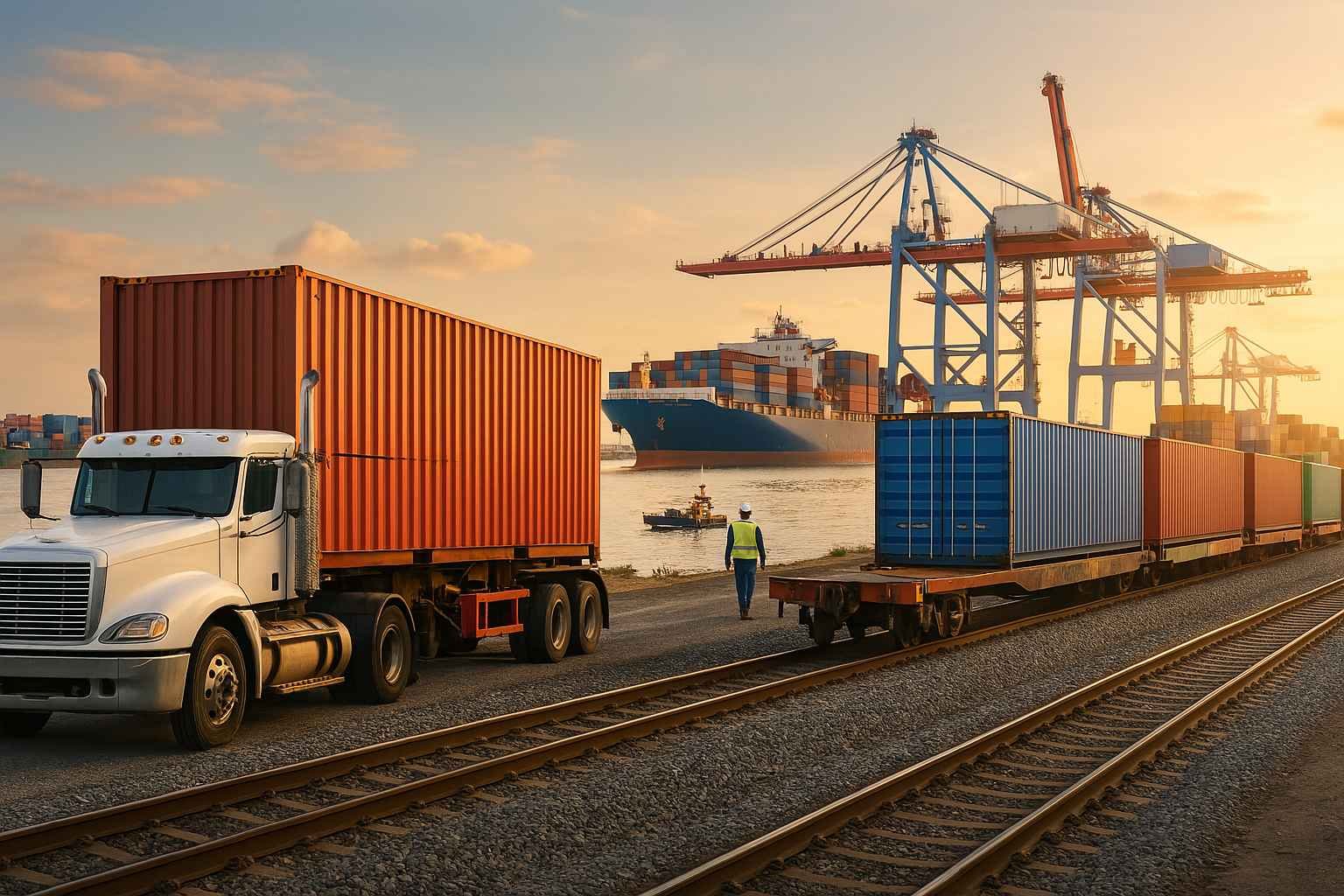
How to Transport a Shipping Container: A Practical Guide
Moving a shipping container isn’t like moving furniture — it’s a heavy, oversized item that needs the right vehicle, the right equipment and a site that’s ready for it. Whether you’re relocating a container across Sydney or receiving one for the first time, here’s what’s actually involved.
What Is a Shipping Container?
A shipping container — sometimes called an intermodal container — is a steel box built to move freight by road, rail and sea. They’re built to standard sizes, most commonly 20ft and 40ft, so they can be transferred between ships, trains and trucks without unpacking the cargo inside.
The Main Ways a Container Is Transported
There’s no single “right” way to move a container — the best method depends on the container’s size, the site and what access is available. The main options used across Australia are:
Tilt Tray
A tilt tray truck lowers its tray at an angle and slides the container off at ground level, with the truck moving forward slowly. It’s the most common method for standard deliveries, but it needs enough overhead clearance, since the container sits higher once the tray is tilted — making it less suitable for sites with low power lines or trees.
Side Loader
A side loader lifts the container off the truck using its own built-in crane arms, setting it down beside the vehicle rather than behind it. This makes it a good option for tighter sites where there isn’t much clear space in front of or behind the drop-off point.
Hiab Crane
A Hiab (or similar crane-equipped truck) lifts the container using a crane mounted behind the cab. It’s typically used for smaller containers or sites with limited space for a side loader or tilt tray, and it can place a container at an angle, on a raised area, or over an obstacle like a fence.
Flatbed / Trailer Transport
For port-to-site and longer-distance moves, containers are usually carried on a flatbed or skeletal trailer, secured to the vehicle rather than lifted on and off at the destination by the truck itself — a separate crane, side loader or forklift is then used for pickup and drop-off.
What Affects Which Method Is Used
Site access is the biggest factor in choosing the right transport method. Before a container can be delivered, a few things need to be checked:
- Road width — is the access road wide enough for the truck?
- Turning space — is there enough room to manoeuvre into position?
- Overhead clearance — trees, power lines and other obstacles, especially for tilt tray delivery where the container sits higher during unloading
- Gates and driveway access — width and clearance at the entry point
- Ground conditions — a firm, level surface for both the truck and the container’s final position
As a general guide, a standard tilt tray delivery typically needs a few metres of height and width clearance and enough straight length to manoeuvre — exact requirements vary by truck and container size, so it’s worth confirming with your transport provider before the day.
Container Sizes and Weight
Shipping containers most commonly come in 20ft and 40ft sizes, though 8ft and 10ft options exist for smaller loads. An empty 20ft container typically weighs somewhere in the range of 1.8 to 2 tonnes, and a loaded container can legally weigh significantly more — which is exactly why weight and site access both need to be checked before the transport is booked.
Rules and Safety You Need to Know in Australia
Container transport in Australia is regulated by the National Heavy Vehicle Regulator (NHVR), and a few rules are worth knowing:
- Containers should be secured to the vehicle using four twistlocks wherever possible — this is the standard, tested method of restraint
- A Container Weight Declaration (CWD) is required for standard shipping containers being transported by heavy vehicle on the road, confirming the container’s weight and contents
- Loads inside the container need to be properly distributed and restrained so they can’t shift during transport
- Containers arriving from overseas may also be subject to biosecurity and quarantine requirements
What Affects the Cost
There’s no single flat rate for container transport — the cost depends on a combination of factors:
- Distance between pickup and delivery
- Container size and weight
- Site access and whether special equipment (like a side loader or crane) is needed
- How many containers are being moved at once
- Timing — demand can affect availability and pricing
The most reliable way to get an accurate figure is to request a quote with your container size, pickup and delivery locations, weight and preferred date — site access details help too.
Getting Your Site Ready
A smooth container delivery usually comes down to preparation. Before the truck arrives, it’s worth checking:
- The access road and driveway are clear and wide enough
- There’s enough turning space for the truck to manoeuvre
- Overhead obstacles — trees, wires, structures — are accounted for
- Gates are wide enough for the truck and container
- The ground where the container will sit is level and firm — concrete, pavers or treated timber are all suitable
Why Use a Professional Container Transport Service
Container transport involves heavy loads, specialised equipment and rules that need to be followed — not something to take on without the right vehicle and experience. A transport provider can assess your site, recommend the right method (tilt tray, side loader or crane) and handle the pickup and delivery safely and compliantly.
Zoot Container Services provides container transport, delivery and pickup across Greater Sydney, matching the right truck and equipment to your container size, weight and site access.
Frequently Asked Questions
Only if it's empty and you have suitable lifting or towing equipment and the right licence — for most loaded containers, professional transport is required.
Both 20ft and 40ft containers can typically be delivered by tilt tray, subject to site access and overhead clearance.
Only if the container or load exceeds standard height, width or weight limits, in which case an oversize/overmass permit may be required.
Container size, pickup location, delivery location, container weight, preferred date and site access details.
Need a Container Transported in Sydney?
Tell us your container size, pickup location, delivery location and preferred date, and we’ll help arrange the right transport solution.
Share Article:
Categories

Container Transport Across Sydney
Tell us your container size, pickup and delivery locations and preferred date.

Contact Us
Peakhurst, NSW 2210, Australia
transport@zootcontainerservices.com.au
Phone
0405 541 500
Subscribe Newsletter
Sign up to searing weekly newsletter to get the latest updates